Growing Success Plum Maggot Monitoring Traps
€14.95
Protect Your Plum, Damson & Gage Trees from Maggot Damage
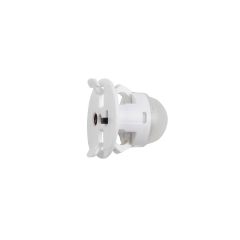
Growing Success Plum Maggot Monitoring Trap uses a pheromone-based sticky trap to catch male fruit moths, helping to prevent damage to plums, damsons, and gages by inhibiting the laying of eggs by female moths. This trap effectively prevents future maggot damage to your fruit trees without attracting beneficial insects.
Why Use Growing Success Plum Maggot Monitoring Traps?
The main cause of maggot damage in plums, damsons, and greengages is the caterpillars produced by the plum fruit moth. The female moths lay their eggs in the tree during the winter, and in early summer, the hatched caterpillars begin feeding on the fruit. By using this monitoring trap, gardeners can assess the moth infestation and take the necessary steps to prevent damage, such as applying a suitable insecticide if the problem persists. It is suitable for organic gardening and provides an effective solution for pest management.
Where to Use
The Growing Success Plum Maggot Monitoring Trap is ideal for use around plum, damson, and gage trees. It is especially effective in areas where maggot damage is a concern and where you wish to monitor moth populations to prevent crop loss.
How to Use
To use the trap, place it in your garden starting in mid-May, before male moths begin to fly. Unfold the sticky insert, open the sachet containing the monitoring lure, and place it in the middle of the trap. Then insert the sticky side up, and hang the trap at head height on the windward side of the tree. The trap will monitor moths for up to three average-sized trees, spaced up to 12 meters apart. Regularly inspect the traps, and if you find more than 12 moths trapped per week, consider treating with an insecticide. Replace the sticky insert and pheromone lure after 6 weeks. Remove the trap in early September and dispose of the sticky insert and lure.
When to Use
Male moths are most active between mid-May and the end of July. Set up your trap in mid-May to monitor for moth activity throughout the mating season. The trap will help detect the infestation and allow you to take action if necessary.
Safety Information
Growing Success Plum Maggot Monitoring Traps are designed to be safe for use in gardens without attracting beneficial insects. They provide an effective pest management solution for gardeners looking to protect their fruit trees organically.
Growing Success Plum Maggot Monitoring Trap uses a pheromone-based sticky trap to catch male fruit moths, helping to prevent damage to plums, damsons, and gages by inhibiting the laying of eggs by female moths. This trap effectively prevents future maggot damage to your fruit trees without attracting beneficial insects.
Why Use Growing Success Plum Maggot Monitoring Traps?
The main cause of maggot damage in plums, damsons, and greengages is the caterpillars produced by the plum fruit moth. The female moths lay their eggs in the tree during the winter, and in early summer, the hatched caterpillars begin feeding on the fruit. By using this monitoring trap, gardeners can assess the moth infestation and take the necessary steps to prevent damage, such as applying a suitable insecticide if the problem persists. It is suitable for organic gardening and provides an effective solution for pest management.
Where to Use
The Growing Success Plum Maggot Monitoring Trap is ideal for use around plum, damson, and gage trees. It is especially effective in areas where maggot damage is a concern and where you wish to monitor moth populations to prevent crop loss.
How to Use
To use the trap, place it in your garden starting in mid-May, before male moths begin to fly. Unfold the sticky insert, open the sachet containing the monitoring lure, and place it in the middle of the trap. Then insert the sticky side up, and hang the trap at head height on the windward side of the tree. The trap will monitor moths for up to three average-sized trees, spaced up to 12 meters apart. Regularly inspect the traps, and if you find more than 12 moths trapped per week, consider treating with an insecticide. Replace the sticky insert and pheromone lure after 6 weeks. Remove the trap in early September and dispose of the sticky insert and lure.
When to Use
Male moths are most active between mid-May and the end of July. Set up your trap in mid-May to monitor for moth activity throughout the mating season. The trap will help detect the infestation and allow you to take action if necessary.
Safety Information
Growing Success Plum Maggot Monitoring Traps are designed to be safe for use in gardens without attracting beneficial insects. They provide an effective pest management solution for gardeners looking to protect their fruit trees organically.