The Complete Guide to Spring Flowering Bulbs
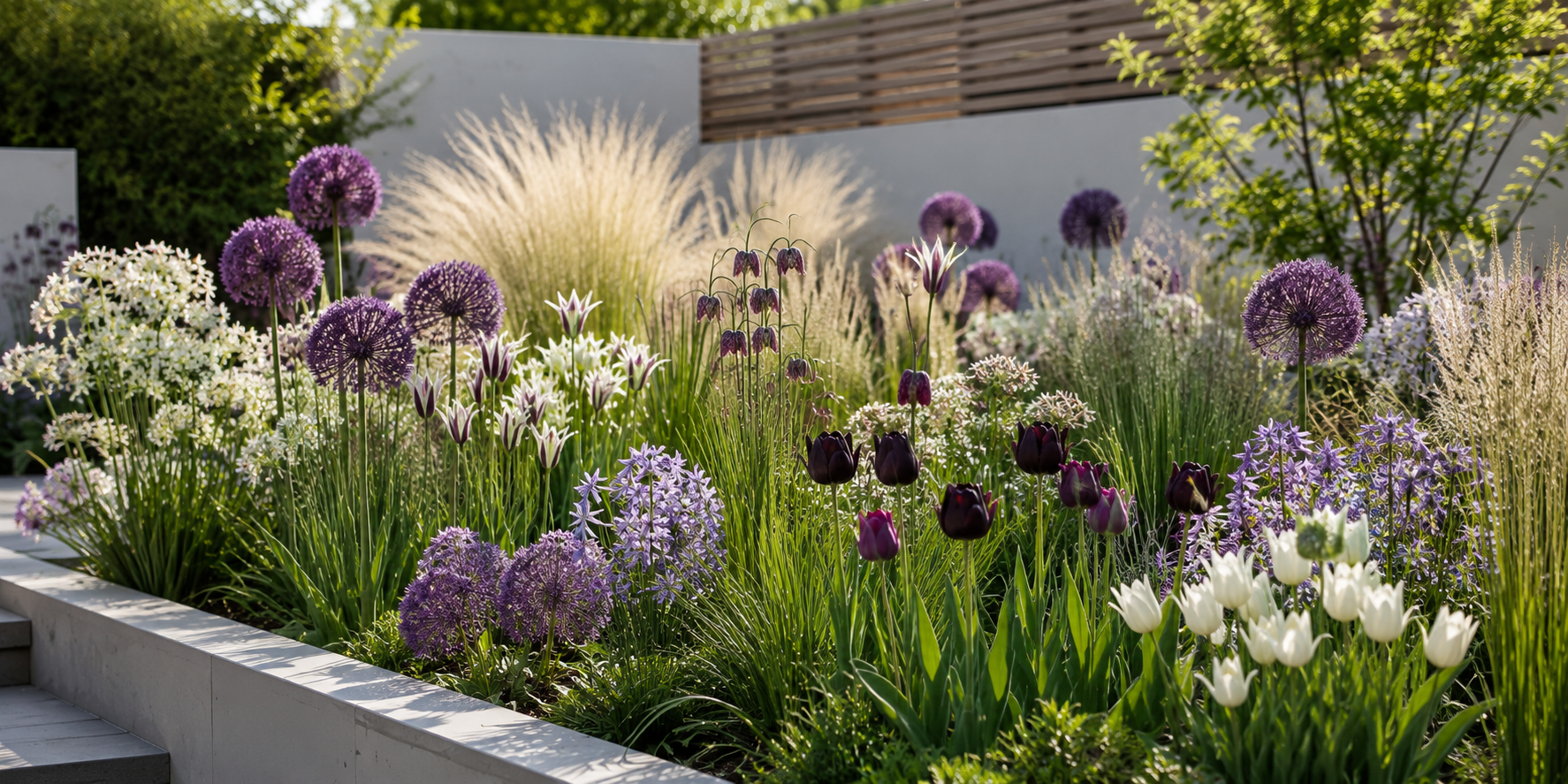
Spring flowering bulbs are one of the easiest and most rewarding ways to bring colour, fragrance and life back into your garden after winter. Planted during autumn, these hardy bulbs establish roots before the colder months, rewarding you with spectacular displays from late winter through to late spring. Whether you're filling borders, brightening patio pots or creating natural drifts beneath trees, spring flowering bulbs offer something for every garden.
What Are Spring Flowering Bulbs?
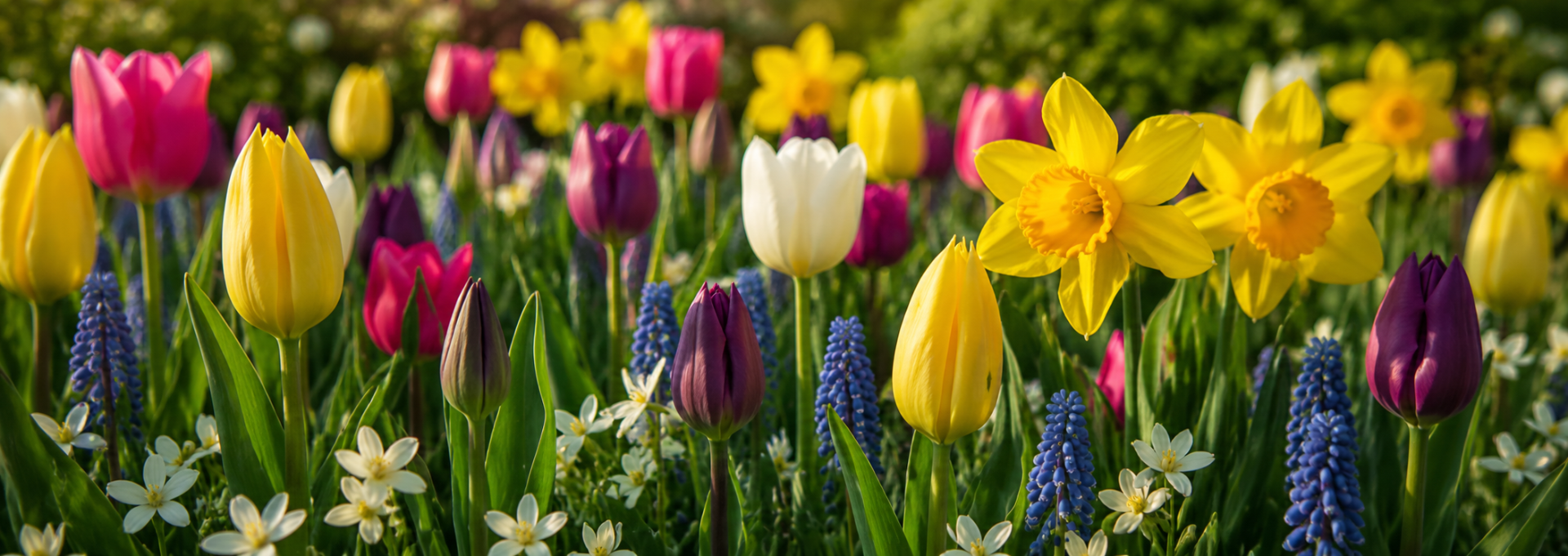
Spring flowering bulbs are planted between September and December and bloom from January through to May, depending on the variety. They store all the energy needed to produce flowers, making them low-maintenance and reliable once established.
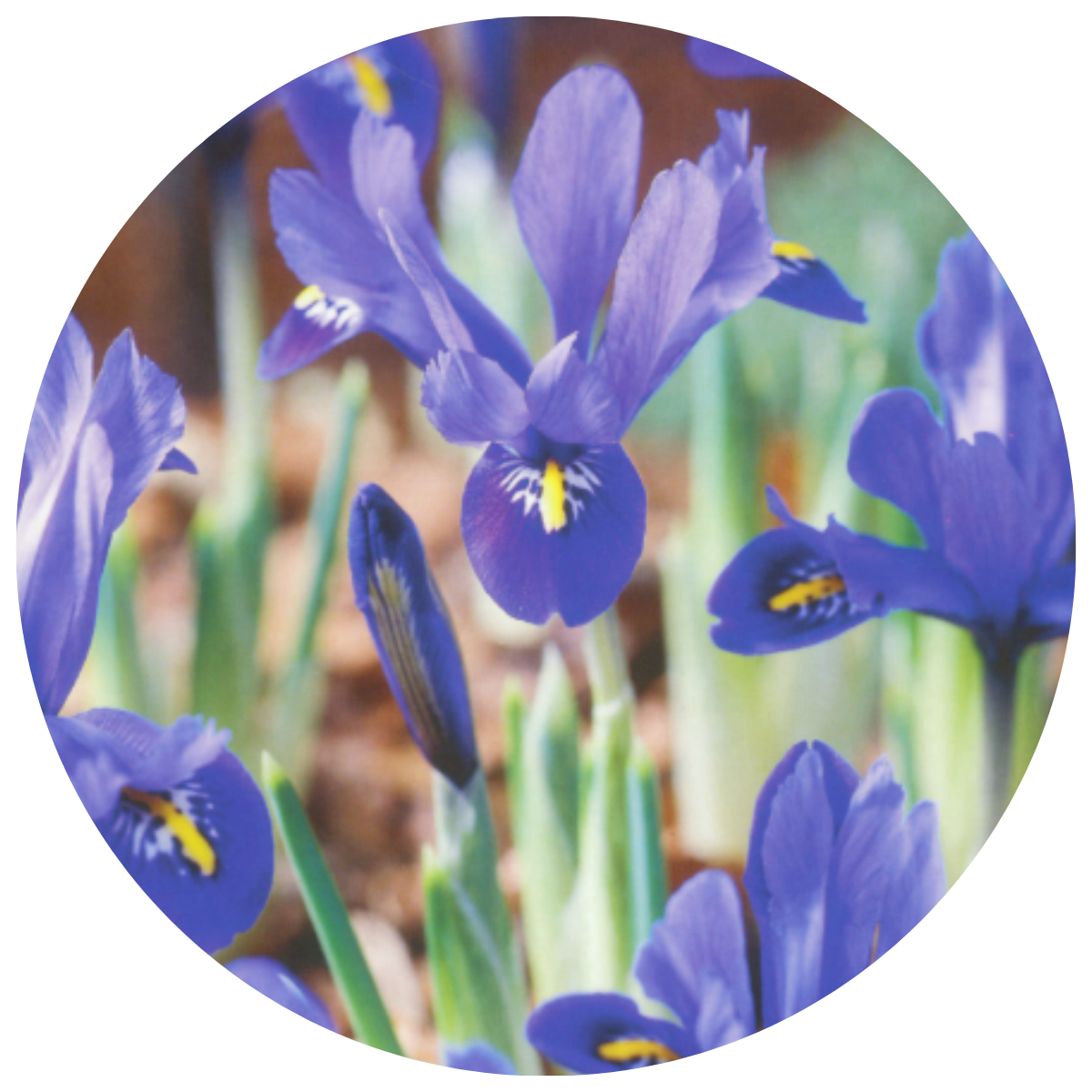
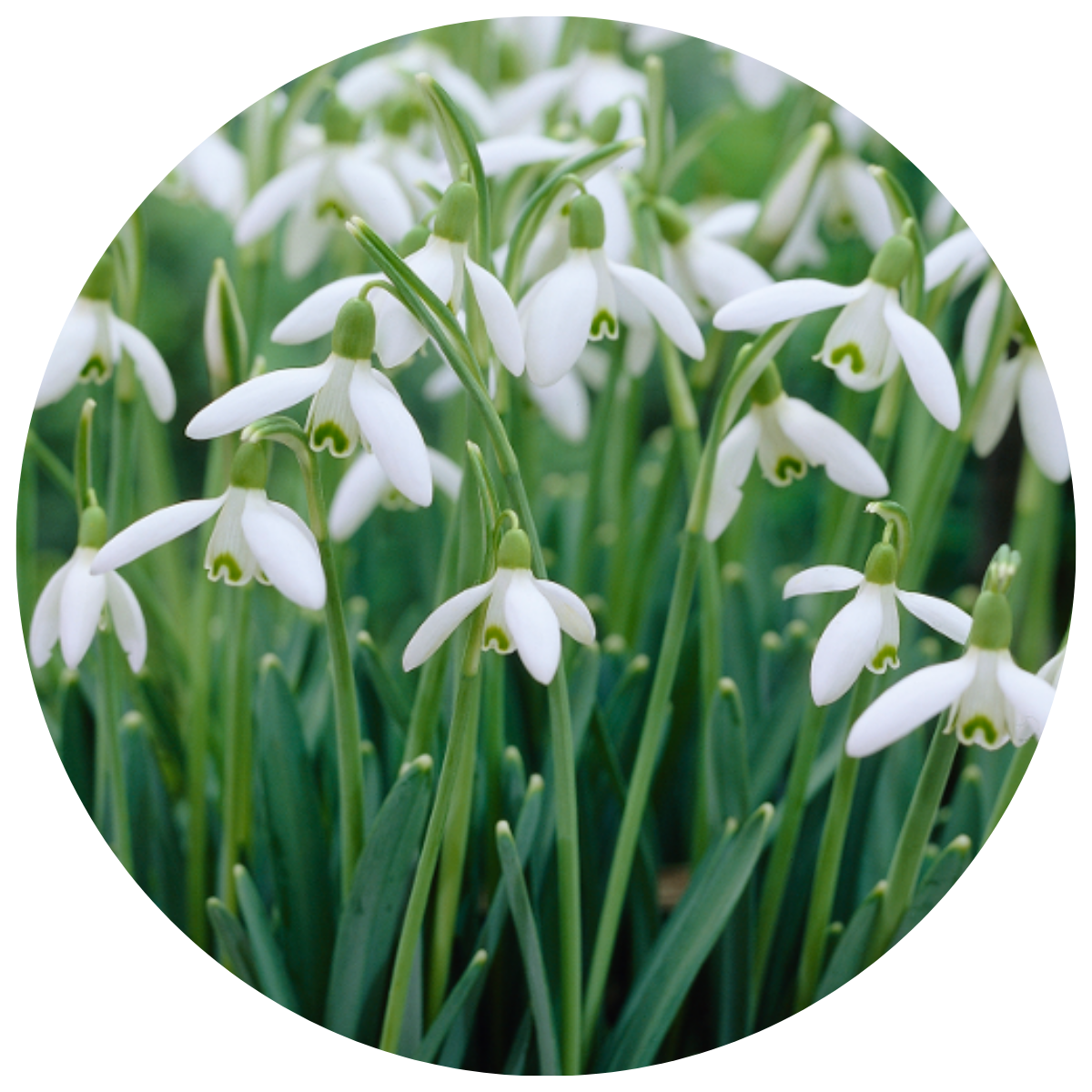
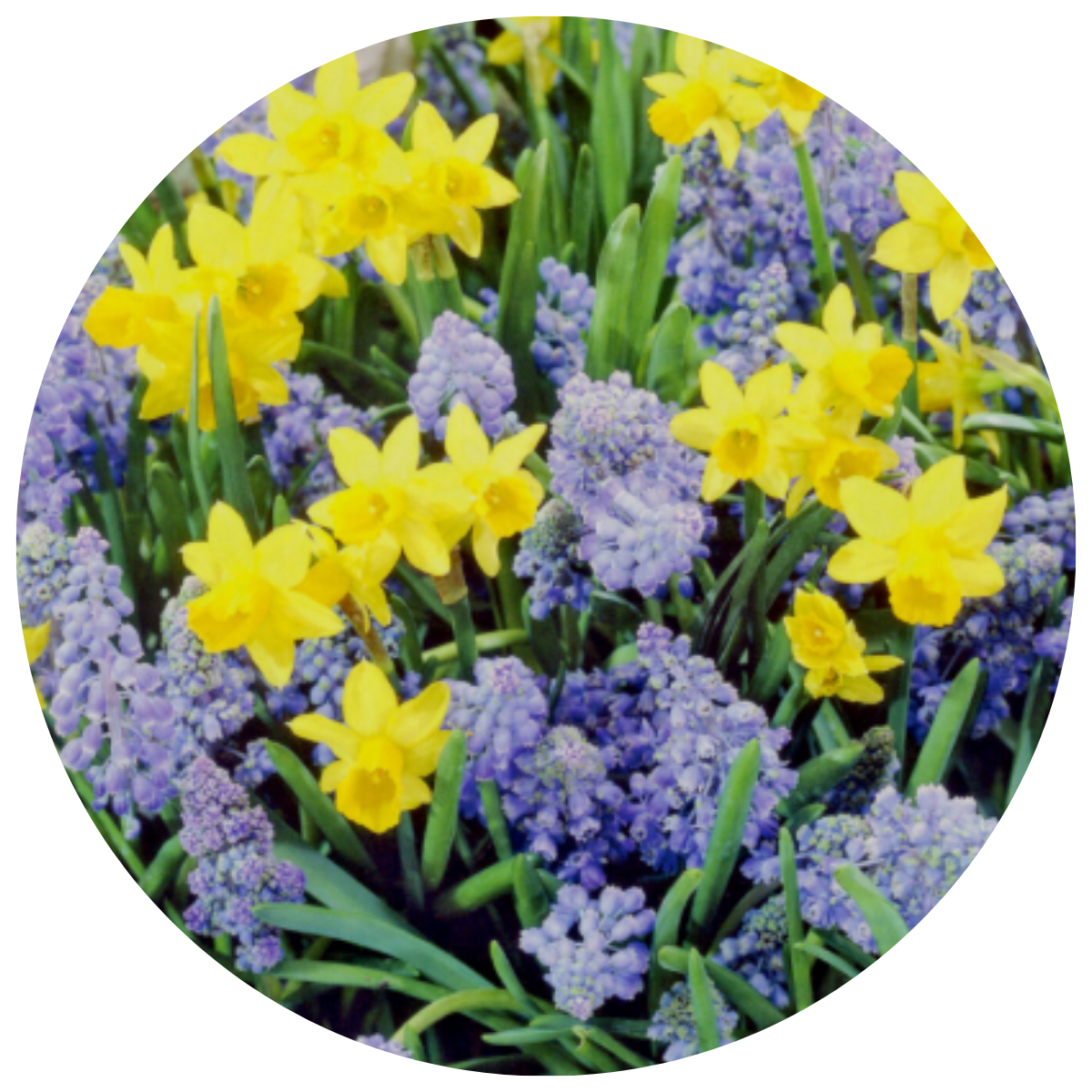
Popular spring flowering bulbs include:






When Should You Plant Spring Flowering Bulbs?
The best time to plant spring flowering bulbs is during autumn when the soil has started to cool.
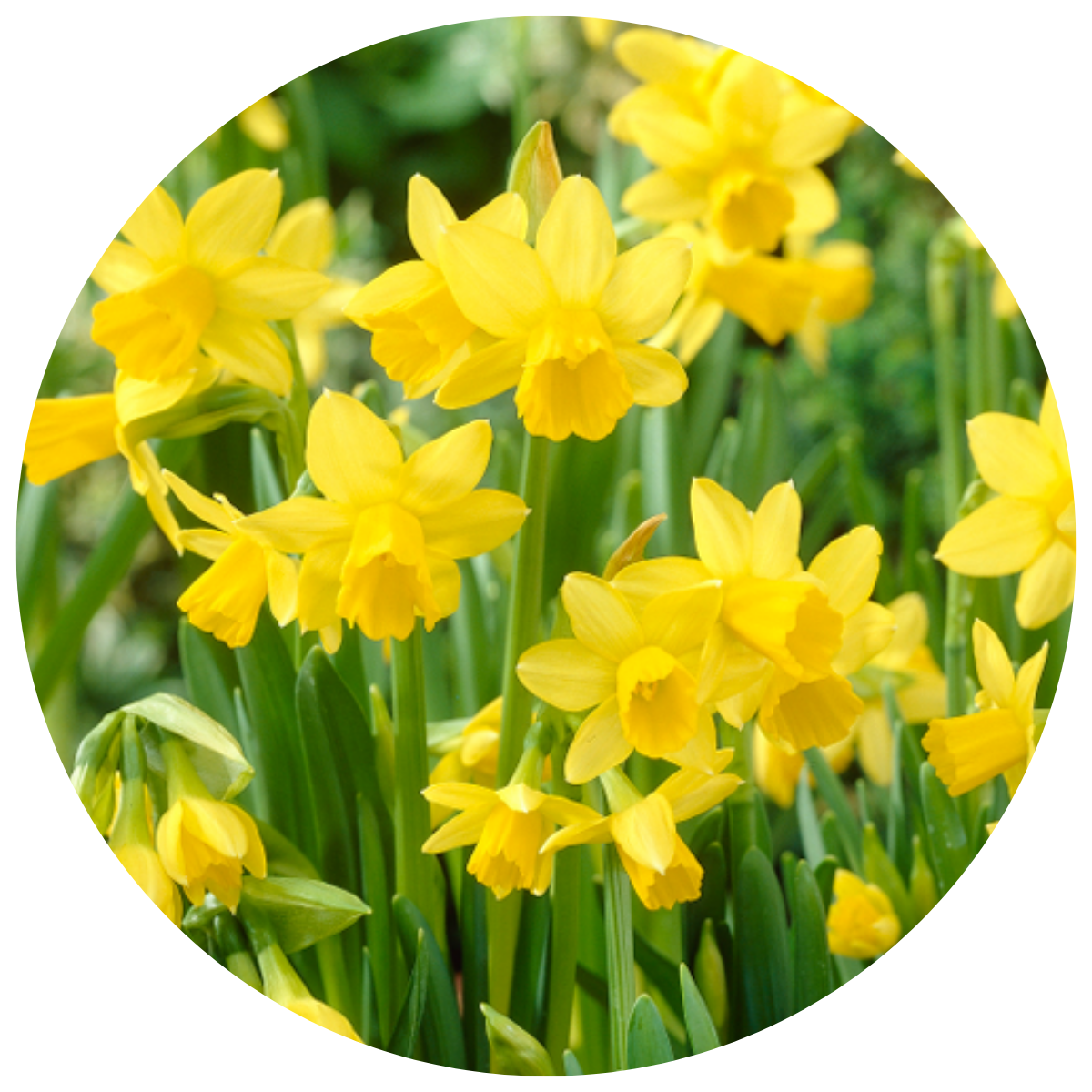
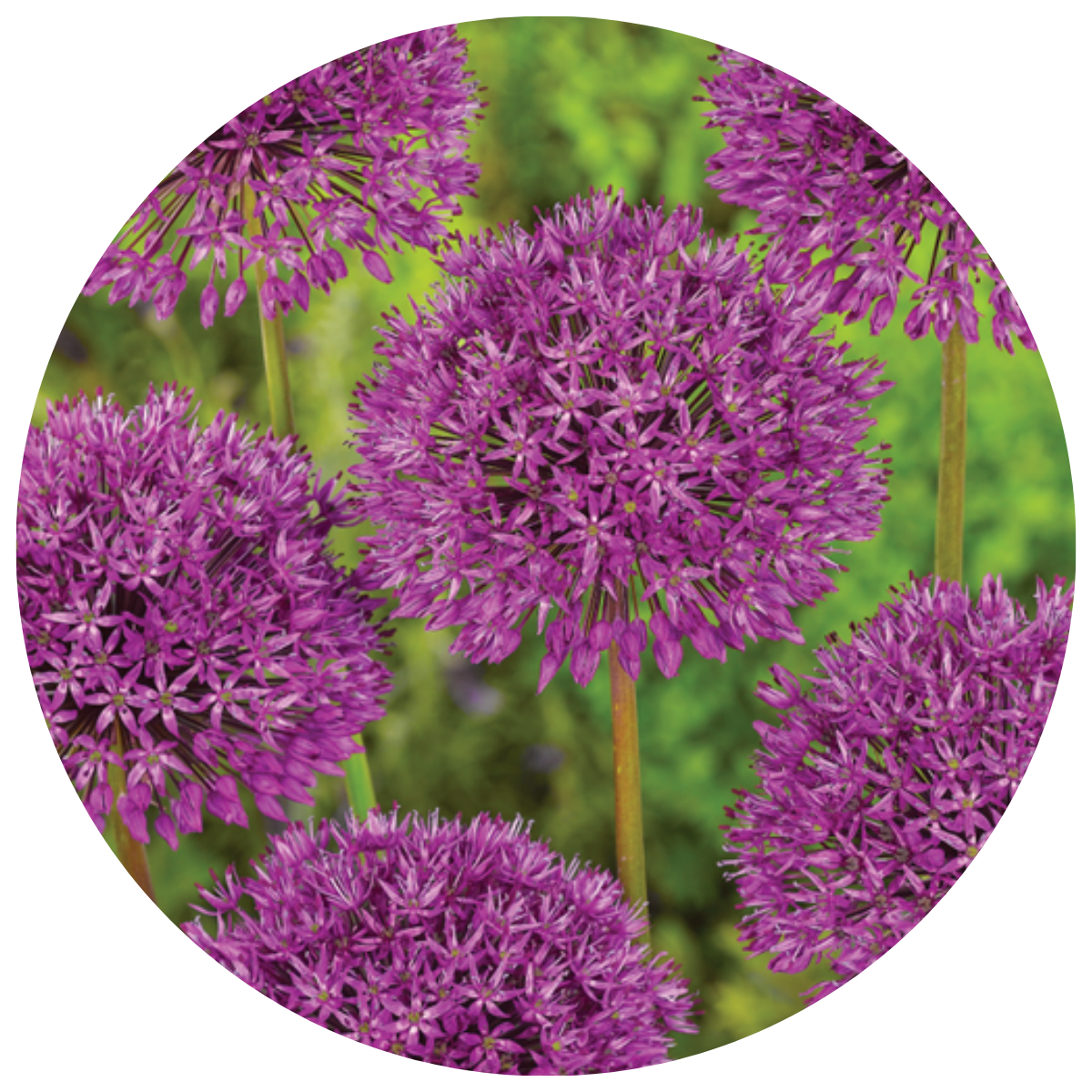
September is ideal for crocus, muscari and snowdrops. October is perfect for daffodils, hyacinths and alliums. Tulips are generally best planted during November and into December, helping reduce the risk of disease while encouraging healthy growth.
As a general rule, bulbs should always be planted before the ground freezes.
Where Should You Plant Spring Bulbs?
Most spring flowering bulbs thrive in sunny or lightly shaded positions with well-drained soil, making them suitable for a wide range of garden settings. They can be planted in borders, raised beds, patio containers, rockeries, woodland gardens, beneath deciduous trees or naturalised in lawns. For the best long-term results, choose a location where the bulbs can remain undisturbed and allow the foliage to die back naturally after flowering, helping the bulbs store energy for the following spring.
How Deep Should Bulbs Be Planted?
A good rule is to plant bulbs at a depth around two to three times their own height.
Smaller bulbs such as crocus and muscari are planted shallower, while larger bulbs such as tulips, daffodils and alliums require greater depth for stability and reliable flowering.
Always position bulbs with the pointed end facing upwards.
How Far Apart Should Bulbs Be?
Spacing depends on the size of the bulb, but slightly closer planting often creates fuller, more natural-looking displays.
Planting in informal groups rather than straight rows produces a softer, more natural effect that works particularly well in borders and woodland gardens.
Which Bulbs Flower First?
If you're planning a continuous display, choose bulbs that flower at different times throughout the season.
Early spring favourites include snowdrops, crocus and Iris reticulata.
Mid-spring brings daffodils, muscari and hyacinths into flower.
Late spring is dominated by tulips, alliums and late-flowering narcissi, extending colour well into May.
Growing Spring Bulbs in Pots
Containers are an excellent way to enjoy spring bulbs on patios, balconies and doorsteps.
Choose pots with good drainage and use quality compost to encourage healthy root growth. Combining several varieties with different flowering times creates long-lasting displays throughout the season.
Bulb layering, often called "lasagne planting", allows multiple varieties to flower one after another from a single container.
Caring for Spring Flowering Bulbs
Spring flowering bulbs require very little maintenance once planted.
Water newly planted bulbs during prolonged dry spells in autumn if necessary, but avoid waterlogged soil. Once flowering has finished, remove spent blooms while leaving the foliage intact until it naturally yellows. This allows the bulb to store energy for the following year's flowers.
Applying a balanced bulb fertiliser after flowering can also encourage stronger displays in future seasons.
Best Bulbs for Different Garden Styles
Different bulbs suit different planting schemes.
For cottage gardens, combine tulips, daffodils, muscari and alliums with traditional perennials.
For woodland gardens, choose snowdrops, English bluebells, crocus and anemones.
For pollinator-friendly planting, crocus, muscari, alliums and early flowering narcissi provide valuable nectar for bees and other beneficial insects.
For naturalising, daffodils, crocus, snowdrops and bluebells gradually spread to create beautiful drifts of spring colour.